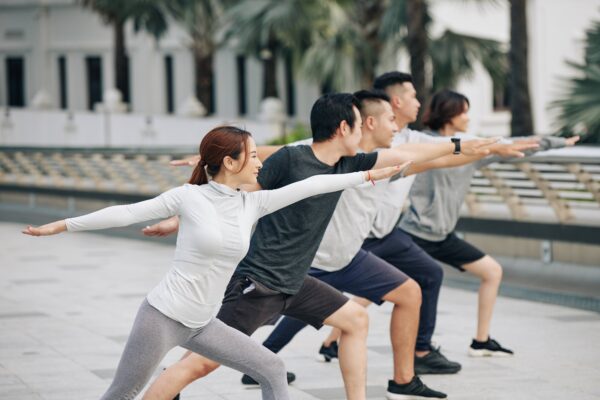
After very difficult training sessions, the body needs enough time for repair and adaptation. Recovery after strenuous fitness training sessions becomes important for muscles, joints, the breathing system, and the nervous system. Many people focus only on exercise intensity and forget that physical progress grows during rest periods too. Recovery does not mean complete inactivity every day. Controlled movement and sleep quality often help the body return faster to normal condition.
Sleep and Nervous System Recovery
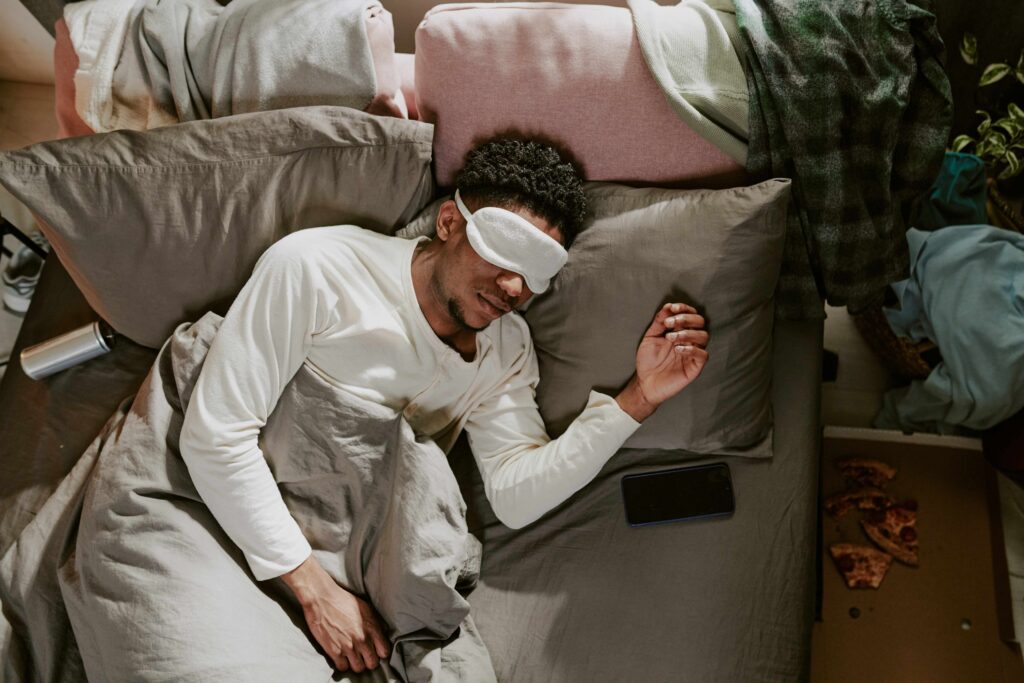
Sleep remains one of the strongest recovery tools for active people. During deep sleep, the body repairs muscle tissue and restores hormone balance. Poor sleep often creates slower reaction time and weaker concentration during exercise. Many athletes notice lower endurance after several nights with short sleeping hours.
Several habits may support better sleeping quality:
- Dark room with stable temperature.
- Lower phone use before bedtime.
- Similar sleeping schedule every night.
- Less caffeine during the late evening.
Short naps during the daytime can help recovery too, especially after long conditioning workouts. Still, naps should not fully replace regular night sleep. Consistent sleep patterns usually support better physical adaptation than random recovery methods.
The nervous system also becomes tired after high–intensity circuits and heavy resistance training. Some people continue pushing hard every day and ignore mental fatigue signs. Irritation, low motivation and poor coordination sometimes appear when recovery stays insufficient for many weeks. Stress from work or personal problems may increase tired feelings even more because the body receives pressure from many directions at the same time.
Food and Hydration for Muscle Repair
Food energizes body repair after strenuous exercise. Muscles take protein for rebuilding small damaged tissues after training. Carbohydrates help to restore glycogen stores, which become lower after conditioning workouts or long cardio sessions. Healthy fats are also important for hormone balance and support joint function, not just energy.
Many people sometimes forget to eat enough after intense training. Very low calorie intake can slow the recovery process and also increase tired feelings in the body. Balanced meals usually include a protein source, vegetables, complex carbohydrates, and enough water. Recovery drinks are not always needed because normal food already can support many active people in an effective way.
Important hydration sources include:
- Water during the entire day.
- Electrolyte drinks after long sweating periods.
- Fruits with high water content.
- Soups and light broths after difficult sessions.
Dehydration sometimes causes headaches, slower movement and muscle cramps. Athletes who train inside warm gyms or outside in summer conditions usually lose more fluid from their bodies. Drinking only when thirst already appears may not fully replace lost hydration; sometimes it is already late.
Protein timing gets much attention in fitness communities. Some athletes eat right after a training session; other people wait a longer time before eating. Scientific talks still continue about exact timing importance, but total daily nutrition is often more important than a perfect minute schedule. Stable eating habits usually give better recovery than very extreme diets with strong restriction rules. Alcohol use after hard exercise also may slow the hydration process and create extra stress for body systems; recovery becomes slower then.
Light Movement Between Training Days
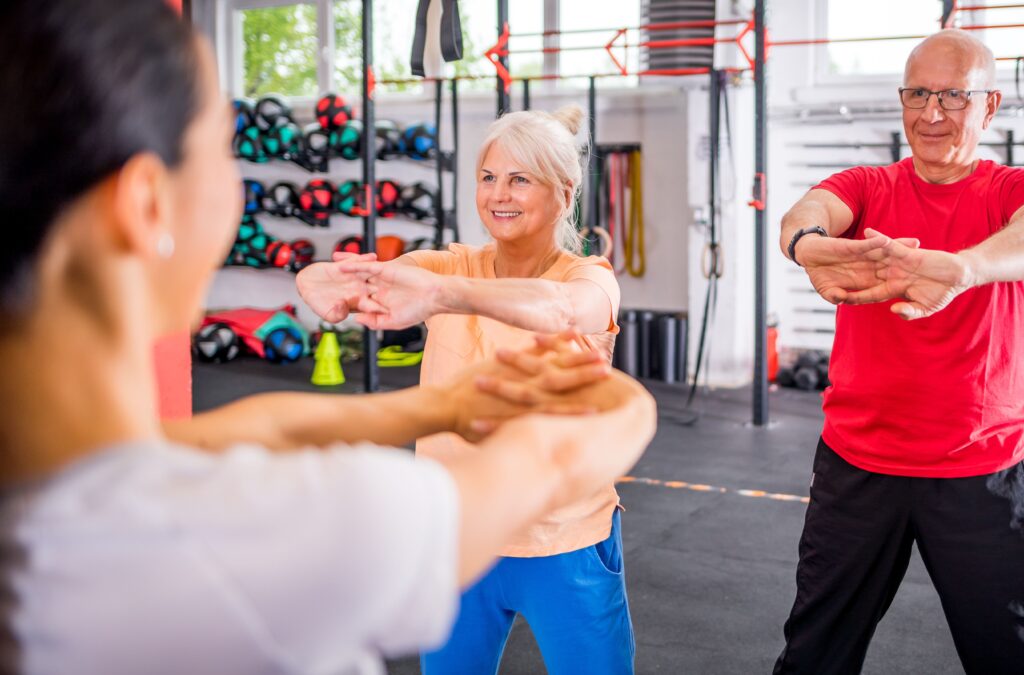
Recovery days do not always require full inactivity. Light movement can improve blood circulation and reduce body stiffness after intense exercise. Walking, easy cycling, stretching, and mobility drills often help muscles stay active without extra stress.
Many athletes perform active recovery because complete rest sometimes increases feelings of stiffness. Low–intensity movement may support flexibility and easier joint motion. Recovery sessions should remain controlled and should not become another exhausting workout.
Some people find breathing exercises help reduce stress and relax after physically stressful weeks. If you breathe slower, that can help with heart rate control , and a more relaxed nervous system response. Sometimes the quality of recovery improves with a decrease in mental stress.
Foam rollers and massage tools are common in fitness settings. Some athletes say these methods make them feel less sore. Scientific results are still mixed, but many people still use massage work because it creates temporary comfort and mobility improvement.
Signs of Poor Recovery
When recovery is not enough, the body often sends warning signs. Ignoring these signs for long periods may negatively affect overtraining problems and exercise quality. The more training, the better, many athletes think, but an overload can negatively impact performance.
The signs associated with poor recovery include heavy soreness for many days, lower strength in normal workouts, restless sleep, increased irritability, and weak motivation. Fatigue accumulation is possible to be reflected by changes in heart rate. Some athletes track morning heart rate as abnormal rises may be associated with physical stress. Changes in appetite and reduced ability to concentrate can also occur.
Training plans should include lighter weeks and lower–intensity periods. Constant maximal effort creates large pressure on muscles and joints. A smart recovery structure usually allows longer training consistency across months and years. Rest days are not weakness signs. They are normal parts of the physical adaptation process.
Cold and Heat Recovery Methods
Many athletes took cold showers and ice baths. Some people use cold exposure after hard conditioning sessions, because it might reduce soreness feelings. Some people like saunas and warm baths to relax their muscles.
Each recovery tool works differently for each person. Some athletes feel better after exposure to cold, others respond better to heat therapy. Careful testing methods help people learn their individual recovery patterns.
Heat sometimes improves circulation and creates a relaxed muscle feeling. Sauna sessions may also support stress reduction after long training weeks. Cold exposure usually creates opposite sensations with stronger alertness and temporary inflammation control.
People should still use these methods carefully. Very long ice exposure or excessive heat may create negative reactions for some individuals.
Comments are closed