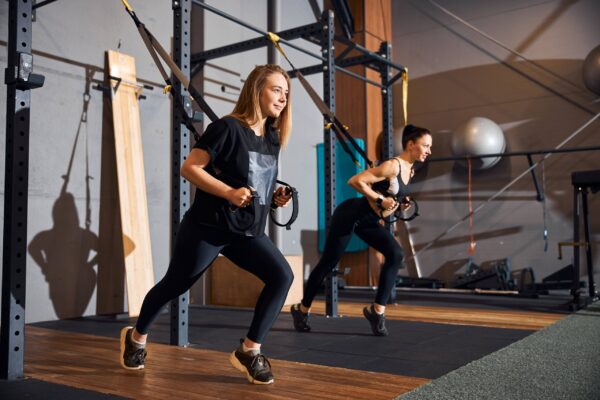
Cross–functional fitness movements are used inside many modern training systems because they combine strength work, cardio effort, coordination, and body control together. Athletes and beginner–level trainees often practice these exercises during circuit sessions, conditioning workouts, or strength programs. Such movements usually train several muscle groups at the same time and create higher physical demand than isolated machine exercises.
Squats and Lower–Body Strength
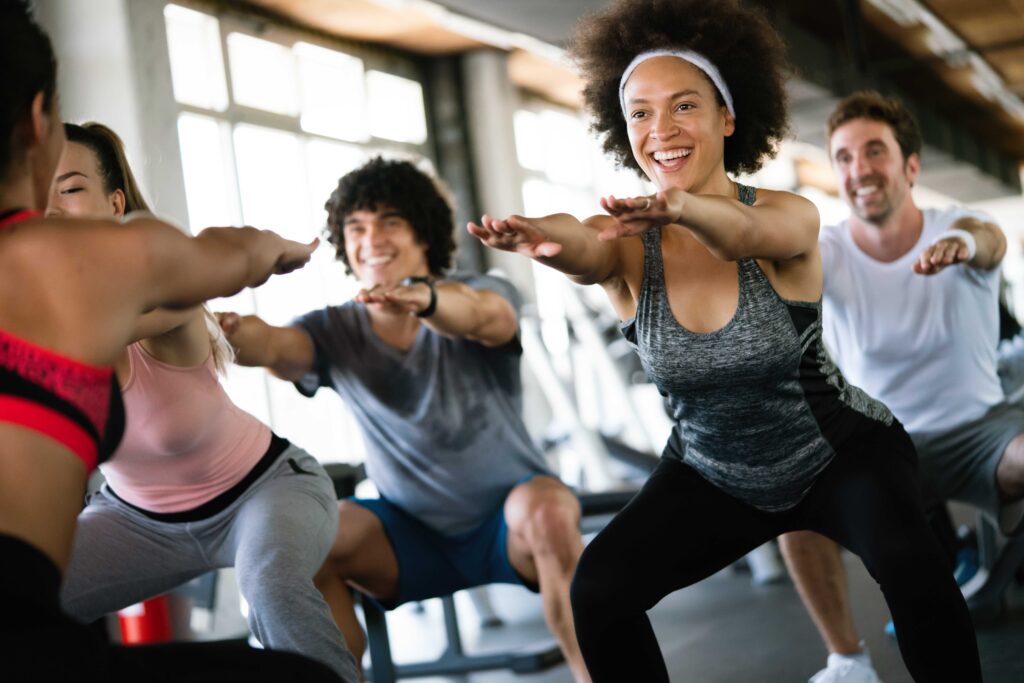
Squats are considered one basic movement inside many training programs. The exercise trains legs, hips, lower back, and core muscles during one controlled motion. Different squat variations exist for different goals and experience levels.
Common squat variations include:
- Air squats with body weight only.
- Front squats with barbell support.
- Goblet squats using kettlebell or dumbbell.
- Overhead squats with extended arm position.
For most beginners this means starting with basic bodyweight squats and then moving on to heavier external resistance. Coaches frequently look at knee position, back angle and foot balance while moving. Sometimes poor squat form can cause lower back pressure or knee pain.
The front squat also increases core activity, as the body has to stabilize weight on the front side. Overhead squats require more mobility in the shoulders and hips. Such variation can feel difficult for people who have limited flexibility. Exercise performed carefully may also help to improve the range of movement around hips and ankles in a deep squat position.
Lower body exercises are important for running, jumping, and lifting activities. Many athletes use squats because the movement supports power development and general athletic preparation. Recovery between heavy squat sessions also matters because legs often remain tired for long periods after intense volume.
Pulling Movements and Upper Body Control
Pulling exercises train back muscles, grip strength, shoulders, and arms. Pull–ups are popular because they challenge body control and relative strength together. Some athletes perform strict repetitions, while others use swinging motion for higher speed and workout intensity.
Rows are another common pulling movement. Dumbbell rows, ring rows and barbell rows all develop upper body strength with slightly different mechanics.
Deadlifts also belong to important pulling exercises. This movement trains hips, legs, back muscles and grip strength through heavy lifting from floor level. Many athletes consider deadlifts useful because the exercise resembles practical lifting patterns used outside gyms.
Several important benefits are connected with pulling movements:
- Better grip strength during lifting tasks
- Stronger upper back support for posture
- Increased hip and leg power production
- Improved coordination between muscle groups
Grip fatigue becomes common during repeated pulling workouts. Chalk, lifting straps, and grip drills are sometimes used for support, although many coaches still prefer natural grip development during early training stages.
Olympic–Style Lifts and Explosive Motion
Olympic–style lifts are fast movements that combine strength, speed, balance, and coordination. Cleans, snatches, and jerks are common exercises in advanced cross–functional fitness programs.
The clean movement takes the weight from the floor to the shoulder position. The snatch moves weight overhead in one fluid motion. Jerks use explosive leg drive to push the barbell above head level. Athletes usually do lighter reps before increasing resistance.
Mobility becomes critical in Olympic – style lifting. Tight shoulders, stiff hips, or poor ankle flexibility can limit the ways you can move into certain positions safely. Warm-up drills are often part of coaches’ preparations for explosive training sessions.
These lifts often involve high physical demand as the body generates force rapidly. Fast muscle activation could enhance athletic power useful for sports and conditioning activities. But in the early days, the quality of the technique is more important than the maximum weight.
Some training programs separate technical lifting days from conditioning days because explosive exercises require concentration and fresh energy levels. Fatigue sometimes reduces movement precision and increases lifting mistakes.
Gymnastics–Style Exercises and Body Awareness
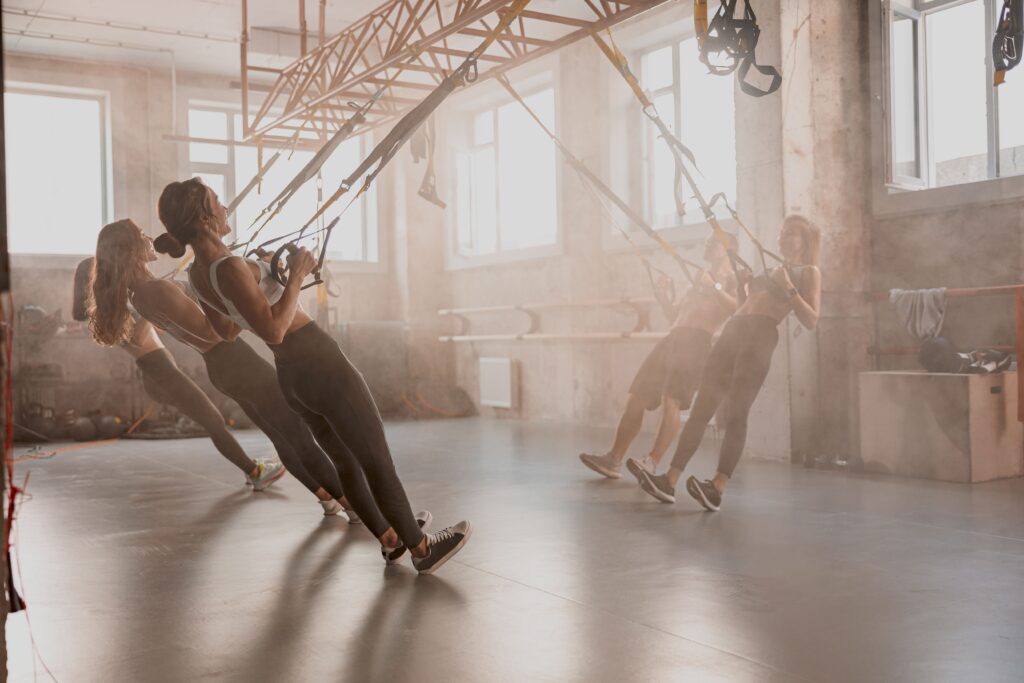
Bodyweight exercises are also a large part of cross–functional fitness systems. Push–ups, handstands, dips, rope climbs, and ring movements develop strength through body control instead of heavy external resistance.
Handstand work challenges shoulder stability and balance. Many beginners spend a long time learning correct body alignment before independent holds become possible. Ring exercises feel difficult because unstable equipment forces muscles to work harder for stabilization.
Drills similar to those in gymnastics may develop coordination and mobility at the same time. Athletes often mix static holds with dynamic movements for greater muscular control. So when you are upside down or hanging from something, your trunk muscles have to stabilize you.
Rope climbs train grip endurance, upper body pulling strength and coordination. Proper leg technique can mitigate arm fatigue during rope climbs and improve efficiency. Foot–locking methods are generally learned by beginners before they climb higher distances.
Conditioning Movements and Training Variety
Conditioning exercises increase heart rate and challenge endurance systems. Rowing machines, burpees, sled pushes, box jumps, and running intervals are common inside high–intensity sessions.
Burpees combine squatting, jumping, and floor movement inside one exercise. Many athletes find burpees physically difficult because their breathing rate rises quickly during repeated repetitions. Box jumps require explosive leg power and controlled landing mechanics.
Conditioning workouts often mix several movement categories together. One session may include rowing, kettlebell swings, pull–ups, and running intervals during limited time periods. Such variety creates different physical demands compared with traditional isolated gym routines.
Comments are closed